
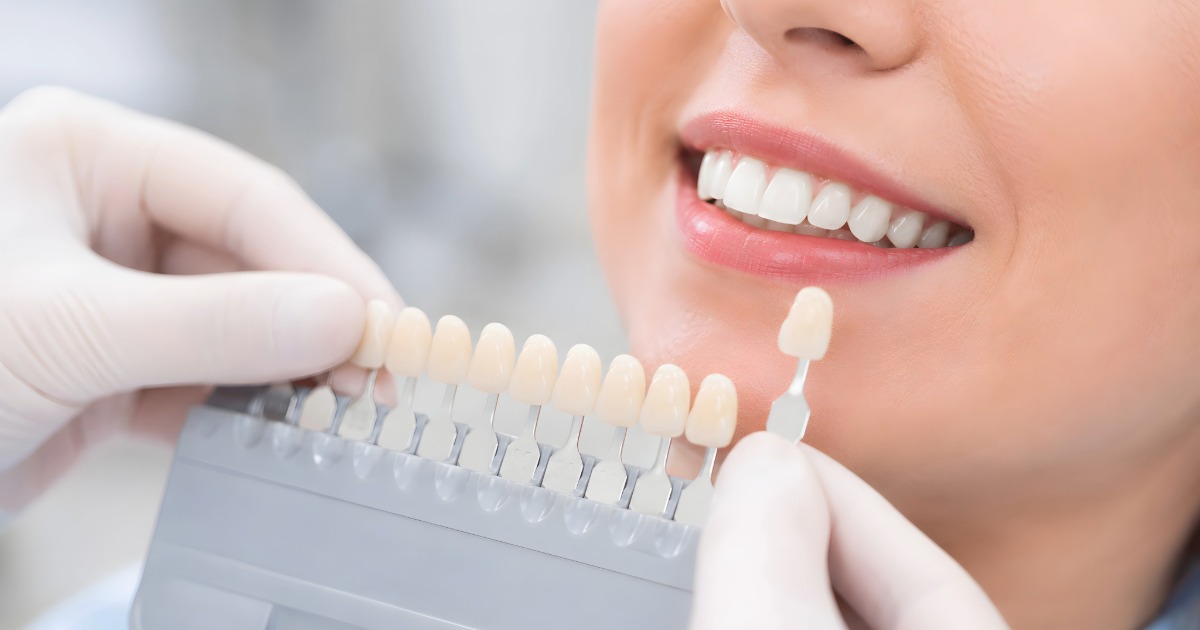
The Science Behind Professional Whitening Ingredients: A Guide for UK Dentists in 2026
Professional tooth whitening is easy to talk about in marketing terms. It is much harder to explain well at ingredient level. That gap matters, especially for UK dentists who need to balance patient demand, clinical safety, predictable outcomes, and regulatory awareness.
Patients often ask simple questions. What is actually in whitening gel? Why do some systems work faster than others? Why does sensitivity happen? What is the difference between hydrogen peroxide and carbamide peroxide? A dentist needs answers that are clear, accurate, and practical.
That is where the science behind professional whitening ingredients becomes useful. Once you understand how the main active agents work, how formulations differ, and which supporting ingredients affect comfort and handling, it becomes much easier to choose products, explain treatment, and manage expectations properly.
For practices reviewing whitening systems, brands such as Boutique Whitening can sit within that wider clinical and product conversation.
Why whitening ingredient knowledge matters in 2026
Professional whitening is not only about shade improvement. It is also about formulation quality, stability, patient suitability, and the clinical logic behind the treatment plan.
That matters more in 2026 because dentists are expected to give patients clearer explanations, use products within the UK framework, and select systems that make sense for the patient’s sensitivity profile, treatment goals, and compliance level. A basic understanding of whitening chemistry helps with all three.
The core science behind professional whitening ingredients
At a simple level, professional whitening works by using peroxide-based chemistry to break down stain compounds within the tooth structure. These stain molecules, often called chromogens, absorb light in a way that makes teeth appear darker or more yellow.
Whitening agents release reactive oxygen species that alter those chromogens into smaller, less light-absorbing compounds. As those compounds change, the tooth appears lighter.
That core mechanism is the same in principle across most professional whitening systems. The differences come from how the active ingredient is delivered, how quickly it breaks down, how long it stays active, and what else is included in the formula.
Hydrogen peroxide remains the main active whitening ingredient
Hydrogen peroxide is the best-known active ingredient in professional whitening. It acts directly and starts releasing whitening activity relatively quickly.
That speed is one reason hydrogen peroxide is often associated with shorter treatment periods or more immediate visible change. It penetrates enamel and dentine and begins oxidising stain molecules without needing conversion from another compound first.
Why dentists use hydrogen peroxide
Hydrogen peroxide is clinically useful because it is well understood, widely studied, and effective when used properly. It is often chosen where a more direct whitening action is wanted and where the treatment plan suits the patient’s needs and sensitivity profile.
Its performance still depends on concentration, wear time, product stability, tray fit, and patient compliance. The active ingredient alone does not decide the whole outcome.
Carbamide peroxide works differently, but reaches a familiar end point
That leads to the second major ingredient: carbamide peroxide. This is another common whitening agent in professionally supervised systems, particularly home whitening.
Carbamide peroxide breaks down into hydrogen peroxide and urea. In practical terms, that means it acts as a slower-release source of hydrogen peroxide. This slower breakdown is one reason carbamide peroxide is often used in overnight or longer-wear whitening systems.
Why carbamide peroxide is popular in supervised home whitening
For many dentists, carbamide peroxide offers a useful balance of efficacy and control. Its slower activity can make it well suited to tray-based treatment where the patient wears the gel for a longer period.
That does not make it weak. It means the whitening effect is delivered through a different release pattern. In the right patient, that can support effective results with a more gradual feel.
Hydrogen peroxide vs carbamide peroxide
Once both ingredients are on the table, the question most dentists hear is which one is better. The better answer is that they behave differently and suit different protocols.
Hydrogen peroxide is the direct active agent. Carbamide peroxide is a precursor that releases hydrogen peroxide more gradually. That difference affects treatment design, wear time, and the pace of visible change.
Hydrogen peroxide vs carbamide peroxide
| Ingredient | How it works | Typical clinical feel | Common use case | Main consideration |
| Hydrogen peroxide | Acts directly as the whitening agent | Faster activity and shorter action profile | Shorter wear protocols or cases needing more immediate effect | Sensitivity management and product handling matter |
| Carbamide peroxide | Breaks down into hydrogen peroxide and urea | Slower-release whitening action | Supervised home whitening with longer wear times | Treatment may feel more gradual to the patient |
That distinction helps when matching the product to the patient rather than treating all whitening gels as interchangeable.
Concentration affects behaviour, but does not tell the whole story
Once the active ingredient is chosen, concentration becomes the next issue. This is where conversations can become too simplistic.
A higher concentration does not automatically mean a better whitening experience. It may change the speed or intensity of action, though clinical success still depends on the full protocol, patient suitability, tray design, oral condition, and how well instructions are followed.
Why formulation matters as much as strength
Two products with similar active percentages may behave differently in practice. Viscosity, pH, stability, water content, flavouring, desensitising additions, and tray retention can all influence how the gel performs.
That is one reason experienced dentists tend to think in systems, not percentage figures alone.
Supporting ingredients can influence comfort and handling
Once you look beyond the peroxide itself, supporting ingredients start to matter more. These do not create the whitening effect in the same way, but they can affect product stability, patient comfort, and ease of use.
A well-designed whitening gel often includes ingredients that help with consistency, moisture control, flavour, and sensitivity management. Those details can make a meaningful difference to the patient experience.
Common supporting ingredients in professional whitening systems
Dentists may see formulations that include components used to support:
- Gel viscosity and tray retention
- Moisture balance
- Stability of the active ingredient
- Flavour and patient acceptability
- Desensitising support
- Surface comfort during wear
This is where a product becomes more than a peroxide percentage on a label.
Desensitising ingredients play an important role
Sensitivity remains one of the most common concerns in whitening. Patients may describe transient zingers, cold response, or general tooth awareness during treatment.
That makes desensitising ingredients highly relevant. They do not replace proper assessment or good case selection, but they can support a more comfortable treatment journey.
Potassium nitrate
Potassium nitrate is commonly associated with sensitivity management. It is often used in whitening-related products because it may help reduce nerve excitability within the tooth.
In practical terms, dentists often view it as one of the ingredients that can support comfort in patients who are prone to whitening sensitivity.
Fluoride
Fluoride can also appear in whitening-associated formulations. It is often valued for its role in supporting enamel and helping with remineralisation strategies around whitening care.
Its presence may be useful as part of a broader approach to managing sensitivity and protecting the patient experience.
Amorphous calcium phosphate and related mineral-support ingredients
Some whitening systems include ingredients intended to support mineral balance at the tooth surface. These may be positioned around comfort, enamel support, or post-whitening feel.
Dentists should still assess the overall evidence and product design rather than assuming any one added ingredient solves every sensitivity issue. The patient’s oral health, tray fit, and wear pattern still matter.
pH and gel stability deserve more attention
One ingredient discussion that often gets missed is pH. Whitening products need to sit within a formulation that remains stable and clinically suitable.
If a gel is unstable, poorly stored, or not formulated well, the active ingredient may not behave as intended. Stability affects shelf life, consistency, and confidence in treatment.
Why storage and formulation quality matter
A good whitening product is not only about what ingredients are listed. It is also about whether those ingredients remain stable in real use.
That is why dentists should pay attention to manufacturer guidance on storage, expiry, handling, and issue protocols. Ingredient science is partly chemistry and partly quality control.
Not all stains respond in the same way to whitening ingredients
By this stage, it becomes clear that ingredients matter, but so does the type of discolouration being treated. Extrinsic stain, age-related yellowing, and some internalised discolouration may respond differently.
A patient may assume the gel alone determines the result. In reality, the interaction between the ingredient and the stain type is a major part of the outcome.
Cases that may respond less predictably
Dentists usually need extra caution where there is:
- Tetracycline-style staining
- Trauma-related discolouration
- Existing restorative mismatch risk
- Heavy intrinsic staining
- Significant enamel defects
- Unrealistic cosmetic expectations
That is why ingredient knowledge should sit alongside proper diagnosis rather than replacing it.
Whitening ingredients and existing restorations
Patients often expect whitening gels to improve every visible surface in the smile. That is rarely the case.
Peroxide-based whitening affects natural tooth tissue. It does not predictably whiten crowns, veneers, composite restorations, or fillings in the same way. This can create shade mismatch after treatment, especially in the anterior region.
A dentist explaining whitening ingredients clearly can often improve consent at this stage. The patient understands that the chemistry works on natural tooth structure, not on every material in the mouth.
What ingredient science means for treatment planning
Once the chemistry is understood, treatment planning becomes easier to explain and defend.
A patient with mild external staining, low sensitivity risk, and strong compliance may suit one type of system. A patient with a history of sensitivity, patchy compliance, or restorative complexity may suit another. The best product choice is usually the one that fits the patient’s biology and behaviour, not the one with the most eye-catching percentage.
Practical product-selection questions for dentists
Useful questions include:
- Does this patient need a shorter or slower whitening protocol?
- How likely are they to follow wear instructions properly?
- Do they have a history of sensitivity?
- Are there restorations likely to affect the visual result?
- Does the product formulation support comfort and handling?
- Is the chosen ingredient profile suitable for the treatment plan?
These are the questions that turn ingredient knowledge into clinical judgement.
Common misunderstandings about professional whitening ingredients
By the time patients reach treatment, they often carry over assumptions from retail whitening products, social media, or older beauty-led messaging.
One common misunderstanding is that stronger always means better. Another is that all peroxide gels behave the same way. A third is that added desensitising ingredients remove the need for proper supervision.
Clear explanation helps here. Professional whitening ingredients are effective because they sit inside a supervised, assessed, and well-instructed system. The chemistry matters, but so does everything around it.
A practical view for UK dentists in 2026
For UK dentists, the most useful way to think about whitening ingredients is not as a technical trivia exercise, but as part of safer product choice and better patient communication.
Hydrogen peroxide and carbamide peroxide remain the key active agents. Their release patterns differ. Concentration matters, though formulation matters too. Supporting ingredients may help with comfort, stability, and handling. Desensitising agents can improve the patient journey, but they do not remove the need for diagnosis, consent, and supervision.
A dentist who understands that science is usually in a stronger position to choose products carefully, explain treatment realistically, and manage sensitivity with more confidence.
Final thoughts
The science behind professional whitening ingredients is more straightforward than it first appears once the main principles are clear. Professional whitening relies on peroxide chemistry to break down stain molecules and lighten the appearance of natural teeth. The main differences between systems come from how that chemistry is delivered, how quickly it acts, and what supporting ingredients shape the patient experience.
For UK dentists in 2026, that knowledge matters clinically and commercially. It supports better case selection, better consent, more confident product choice, and more realistic conversations about results and sensitivity. In a treatment area that is often oversimplified, that kind of clarity is valuable.
FAQs
What is the main active ingredient in professional tooth whitening?
The main active whitening ingredients are usually hydrogen peroxide or carbamide peroxide. Carbamide peroxide breaks down into hydrogen peroxide and urea, so both systems rely on peroxide chemistry.
What is the difference between hydrogen peroxide and carbamide peroxide?
Hydrogen peroxide acts directly and tends to work through a faster release pattern. Carbamide peroxide breaks down more gradually, which is why it is often used in supervised home whitening protocols with longer wear times.
Do higher whitening concentrations always give better results?
Not always. Concentration affects behaviour, but outcome also depends on formulation quality, wear time, patient suitability, tray fit, and compliance.
Why do some whitening gels include potassium nitrate or fluoride?
These ingredients are often included to support comfort and sensitivity management during whitening. They can help improve the patient experience when used as part of a well-planned treatment system.
Do whitening ingredients work on crowns and fillings?
No, not in the same predictable way as on natural teeth. Whitening chemistry mainly affects natural tooth tissue, which is why existing restorations may appear mismatched after treatment.
Why should dentists care about the science behind whitening ingredients?
A better understanding of whitening ingredients helps dentists choose products more carefully, explain treatment more clearly, manage sensitivity more confidently, and set more realistic expectations for patients.

Leave a Reply