

How to Get the Most From a Professional Home Whitening System
Professional home whitening systems have become one of the most popular cosmetic dental treatments in the UK. They offer patients the opportunity to brighten their smile from home while benefiting from treatment prescribed and supervised by a dental professional.
While professional whitening products are designed to deliver predictable results, the outcome still depends heavily on how the treatment is used. Small factors such as wear time, oral hygiene habits, diet, and tray care can all influence the final result.
For patients investing in professional whitening, understanding how to maximise treatment can help achieve a brighter smile while maintaining comfort throughout the process.
Start With a Professional Assessment
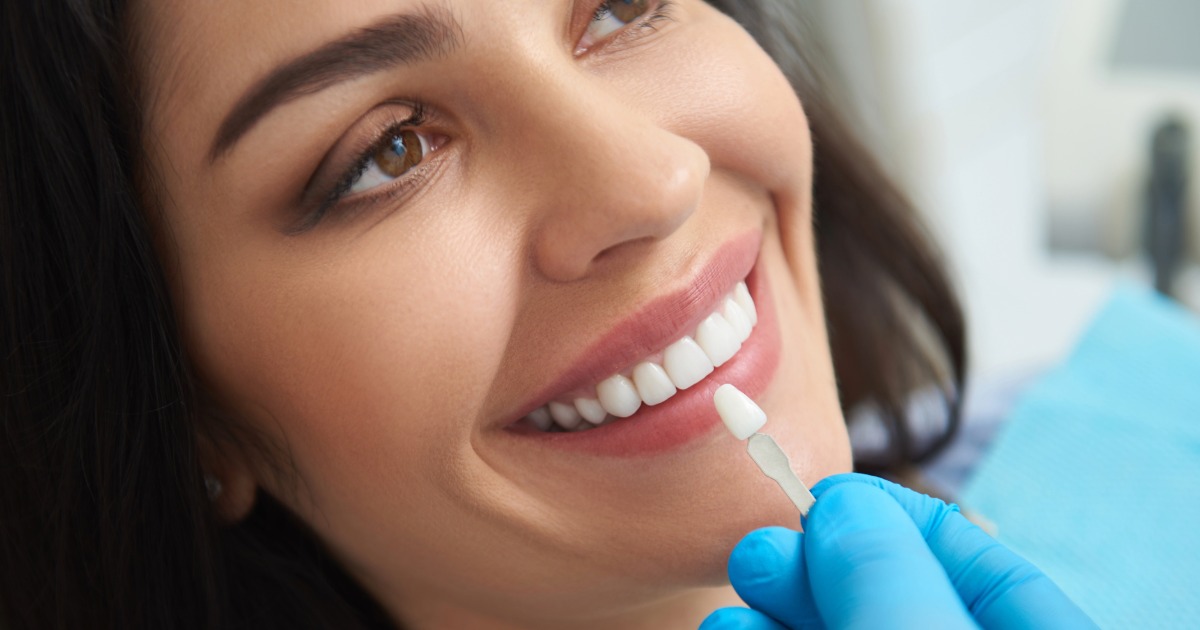
Before beginning any whitening treatment, patients should attend a consultation with their dentist. This allows the dental team to assess oral health, identify any issues that may affect whitening, and determine whether whitening is suitable.
Existing restorations such as crowns, veneers, and composite bonding will not whiten in the same way as natural teeth. Understanding this before treatment begins helps patients develop realistic expectations about the outcome.
A professional assessment also allows the dentist to recommend the most appropriate whitening system, wear schedule, and gel strength for the patient’s individual needs.
Follow Your Recommended Wear Times
One of the most common mistakes patients make is assuming that longer wear times automatically produce better results.
Professional whitening gels are formulated to work within specific timeframes. Wearing trays for longer than recommended may increase the likelihood of sensitivity without necessarily improving the final shade outcome.
Patients should follow the instructions provided by their dental team and avoid altering the treatment schedule without professional guidance.
Consistency is usually more important than intensity. Regular use according to the prescribed plan often produces better results than attempting to accelerate treatment.
Maintain Excellent Oral Hygiene
Whitening treatments work most effectively on clean tooth surfaces.
Brushing twice daily with fluoride toothpaste and cleaning between the teeth helps remove plaque and surface deposits that may interfere with whitening progress.
Many dentists recommend having a professional hygiene appointment before starting whitening treatment. Removing surface staining and calculus can create a cleaner foundation and help patients achieve more uniform results.
Maintaining good oral hygiene throughout treatment can also help preserve results after whitening is complete.
Be Careful With Staining Foods and Drinks
During whitening treatment, teeth can be more susceptible to staining from strongly coloured foods and beverages.
Coffee, tea, red wine, cola, curry, soy sauce, and tobacco products are among the most common causes of staining. While patients do not necessarily need to eliminate these completely, reducing consumption during active treatment can help support better results.
Using a straw for certain drinks and rinsing with water afterwards may also help minimise staining.
Many dentists recommend following a “white diet” approach during the initial stages of whitening, focusing on lighter-coloured foods and drinks wherever possible.
Keep Whitening Trays Clean
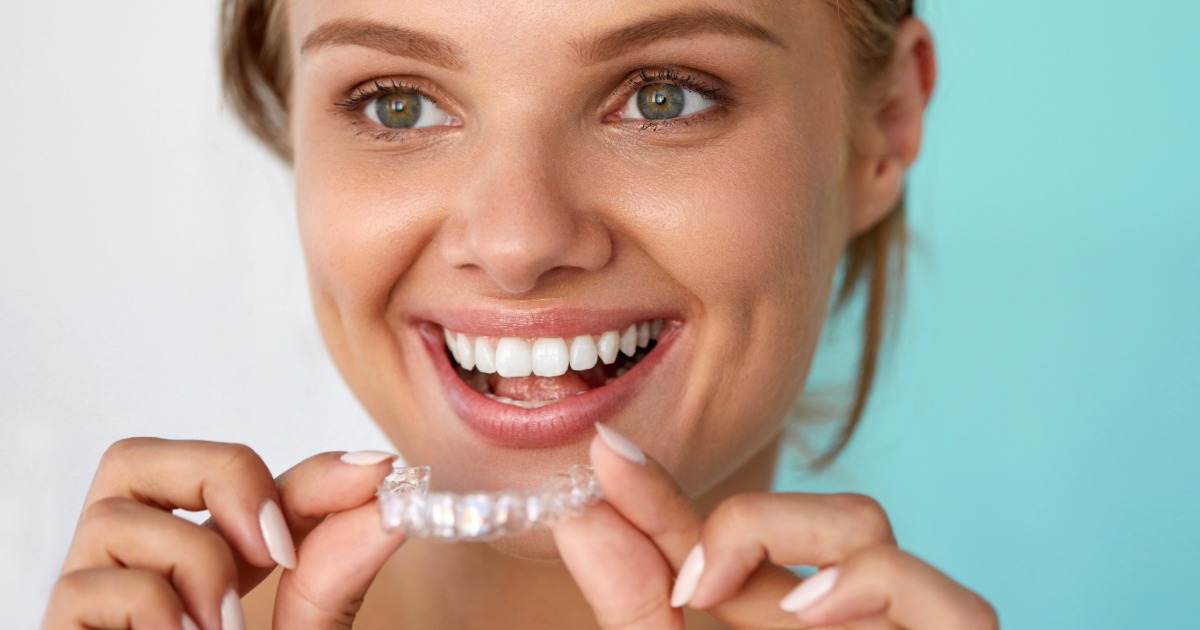
Custom whitening trays play an important role in treatment success.
After each use, trays should be rinsed thoroughly using cool or lukewarm water and gently cleaned to remove any remaining gel residue. Hot water should be avoided, as it may distort the tray material and affect the fit.
Clean trays help maintain comfort, support even gel distribution, and reduce the risk of unwanted irritation.
When not in use, trays should be stored in their protective case to prevent damage.
Manage Sensitivity Properly
Some patients experience temporary tooth sensitivity during whitening treatment. This is usually short-lived and often improves once treatment is completed.
If sensitivity develops, patients should speak with their dental team before making significant changes to the whitening schedule. In some cases, reducing wear time, taking a short break, or using a desensitising toothpaste may help improve comfort.
Many modern whitening systems include ingredients designed to support patient comfort throughout treatment, but individual experiences can vary.
Open communication with the dental team allows any concerns to be addressed early.
Complete the Full Course
Patients sometimes stop whitening as soon as they notice an improvement. While this can be tempting, completing the recommended course often helps achieve a more even and predictable result.
Whitening is a gradual process. The final stages of treatment may produce refinements in colour that contribute to a more natural-looking outcome.
Following the full treatment plan recommended by the dentist provides the best opportunity to achieve the desired result safely.
Plan for Long-Term Maintenance
Whitening results are not permanent. Natural staining from food, drink, and daily habits will gradually return over time.
Many patients maintain their results with occasional top-up treatments using their custom trays and professionally supplied whitening gel. The frequency of maintenance varies depending on lifestyle and personal preferences.
Patients who continue to practise good oral hygiene and attend regular dental appointments often find it easier to maintain a brighter smile over the long term.
Keeping Your Results Looking Their Best
Professional home whitening offers a convenient way to enhance the appearance of a smile while remaining under the care of a dental professional. Patients who follow treatment instructions carefully, maintain good oral hygiene, and take sensible steps to minimise staining are often rewarded with more consistent and longer-lasting results.
The most successful whitening journeys are usually built on patience and consistency. By working closely with their dental team and following the recommended treatment plan, patients can make the most of their professional home whitening system and enjoy a brighter smile for longer.
For those considering treatment, systems such as Boutique Whitening provide a range of day and night whitening options that can be tailored to different lifestyles and whitening goals.
Frequently Asked Questions
How long does professional home whitening take?
Treatment length varies depending on the whitening system being used, the starting tooth shade, and the desired outcome. Many patients begin noticing changes within the first few days, with full results developing over several weeks.
Can I drink coffee while whitening my teeth?
You can, but reducing coffee consumption during treatment may help minimise new staining. Rinsing with water afterwards may also be beneficial.
What should I do if my teeth become sensitive?
Temporary sensitivity can occur during whitening treatment. Contact your dental team for advice, as they may recommend adjustments to your treatment schedule or suitable desensitising products.
How often can I top up my whitening results?
Maintenance schedules vary between patients. Your dentist can recommend an appropriate top-up routine based on your lifestyle and whitening goals.
Will whitening work on crowns or veneers?
No. Whitening treatments affect natural tooth structure and do not change the colour of crowns, veneers, fillings, or composite bonding.

Leave a Reply